 Will Virtual Reality ever become something real?
The cats at Novation have been involved with virtual reality and related technologies for years but have never seen it take off as a mass marketed product – will it ever happen? Supplementing virtual reality are technologies with terms like augmented reality and mixed reality. Investors have reportedly poured in about a billion dollars to the selective Magic Leap in Florida. So even though ESPN and HBO have backed off from 3D broadcasts, many people see such technologies as the future.
We’ve tried them all. We’ve used Google Glass, HoloLens, Oculus Rift and our own prototypes. We’ve worked on systems for NASA, Mercedes Benz, and the US Navy. We’ve even worked on technology on the edges of virtual reality from stereo vision telepresence and CAVEs to amusement park rides and the yellow first and ten yard line.
Our favorite so far is the Hololens…it is heavy and clunky, but works very nicely. A bit of a narrow field of view, but it is acceptable once you get used to it. We think if they move the heavy batteries and electronics to your shoulders, and focus on a light glasses, they might have something really good.
But the big news re: Novation…James Cameron wants to make Avatar sequels that provide 3D without glasses. We hope he hasn’t been spying on us. The system we are working on is exactly that….We’re developing a walk-around, high resolution display system. It is not very expensive but is a bit awkward for now – we’ll keep working on it, don’t worry. One day you might have an amazing full 3D experience right in the middle of your living room.
After that we might concentrate on Smell-O-Vision.
 ll us: don’t be afraid to fail; fail
 When we finish a product development brainstorming session, the cats at Novation usually have hundreds of ideas in the form of a haystack of sticky notes. Each note has a single idea on it. It feels like we went from no ideas, to too many ideas. How do we dig only the best ideas out of the stack?
 The facilitator can and ideally will participate too. The facilitator should encourage everyone present to participate and produce lots of ideas. Now and then the facilitator should toss in a stimulus word for people to think about like “football”, or “insects”, or “bread pudding”; such odd words often trigger new thoughts.
 Once we’ve found a potential business opportunity, an idea we think may have a market, the next thing we need is a vision. As engineers and designers, our instinct is to go right to a solution and prototype, and skip the vision. But here at Novation Tech, we take the time to do it right and look into the future to define our vision.
  Several readers have asked how we get our ideas for products. We have several creative minds working on our team, each with their own interests and views. If left on their own, the ideas and projects would wander wildly. They would be fun and interesting – two of our goals – but we are a business and need to ensure that our research and development resources are spent wisely. So how do we herd this bunch of cats?
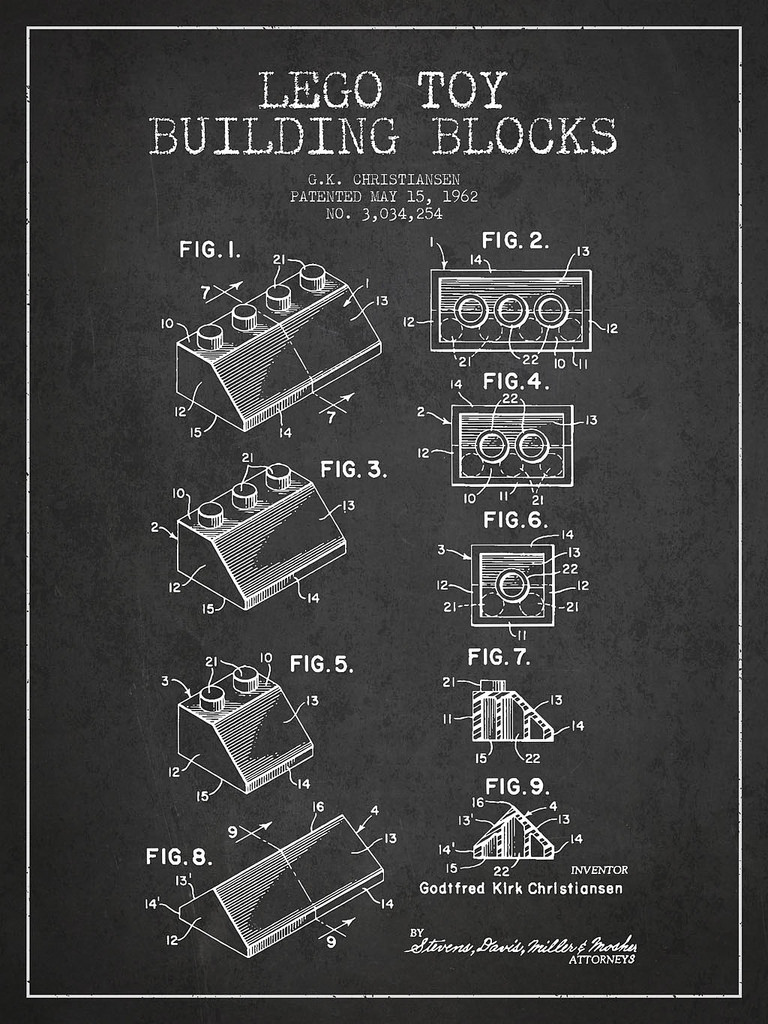 erson to have the idea. For example, you might have had a great idea for an invention months ago, but for one reason or another, you did not file for the patent yet. If at a later date, another person independently had the same or similar idea, but put in an application before you did, the law will favor them. Even though you had the idea first. Wow, it seems so unfair…whoever gets to the patent office first wins.
 The Novation gizmos are all items that we designed for ourselves ‘cause we wanted them. They work and are fun and useful, but because we are using them ourselves, they are all handmade prototypes and not currently designed as consumer products. To share them with you, we need to: